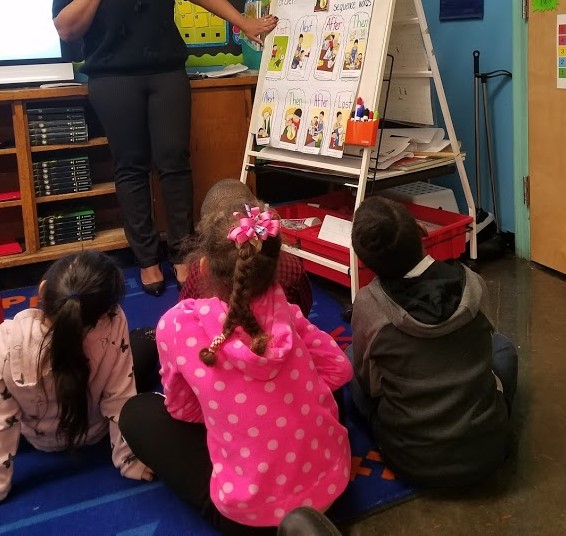
Supporting Struggling Readers Without Burning Yourself Out
📅 Thursday, January 15, 2026 – 12:00 – 12:45 PM (EST) 7:00 – 7:45 PM (UTC+02:00)
👉Watch on Demand
Supporting struggling readers can be deeply rewarding—but it can also feel overwhelming when progress is slow and expectations are high. This practical webinar focuses on strategies that strengthen student confidence and engagement while helping teachers work more efficiently and sustainably.
This webinar is for:
✔️ Early Years & Primary teachers
✔️ New teachers (0–5 years)
✔️ Teachers supporting struggling readers
✔️ Teachers who feel overwhelmed by reading intervention
Participants will explore realistic, classroom-based approaches that reduce instructional overload and support struggling readers without adding to teachers’ workload. The session emphasizes clarity, purposeful routines, and instructional decisions that make the greatest impact on student learning.
Why Some Children Struggle With Reading: What Teachers Can Do About It
📅 Saturday, January 3, 2026 – 12:00 – 12:45 PM (EST) 7:00 – 7:45 PM (UTC+02:00)
👉Watch on Demand
Many teachers are working tirelessly to support struggling readers—yet often feel overwhelmed, frustrated, or unsure why progress remains slow. This practical, teacher-centered webinar explores common misconceptions about how children learn to read and clarifies early warning signs that signal reading difficulties.
This webinar is for:
✔️ Early Years & Primary teachers
✔️ New teachers (0–5 years)
✔️ Teachers supporting struggling readers
✔️ Teachers who feel overwhelmed by reading intervention
Participants will deepen their understanding of why some students struggle and learn realistic, classroom-based strategies that support struggling readers without adding to teacher burnout. The session focuses on clarity, efficiency, and impact—helping teachers make informed instructional decisions while protecting their time and energy.

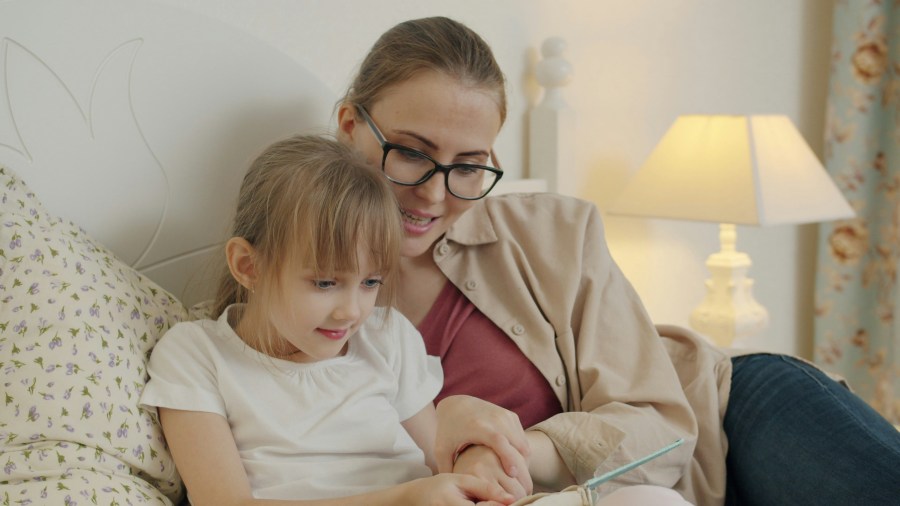
Understanding Consonant Sounds: Why the Speech-to-Print Approach Matters for Reading Success
📅 Sunday, October 5, 2025 – 12:00 – 12:45 PM (EST) 7:00 – 7:45 PM (UTC+02:00)
👉Watch on Demand
In this webinar, we explore the basics of consonant sounds and the importance of understanding speech sounds (phonemes) before connecting them to letters. You’ll learn why a speech-to-print approach—starting with the sounds of spoken language before introducing written letters—helps children become more confident and accurate readers and spellers.
Whether you’re a parent, teacher, or literacy tutor, this video will give you practical insight into how children learn to map sounds to letters, and why focusing on speech first supports stronger phonics and spelling skills.
✔️What consonant sounds are and how they differ from vowel sounds
✔️How speech sounds form the foundation of reading and spelling
✔️Why “speech-to-print” instruction supports deeper literacy understanding
 literacyinsight.com